
Create a Wallet
Create on a trusted device and complete an offline backup.
Open guide →A multi-chain wallet, blockchain network and Web3 knowledge hub from imtoken
Manage assets across networks, understand receiving and sending, choose the right chain, connect to DApps, review approvals and build practical wallet security habits.
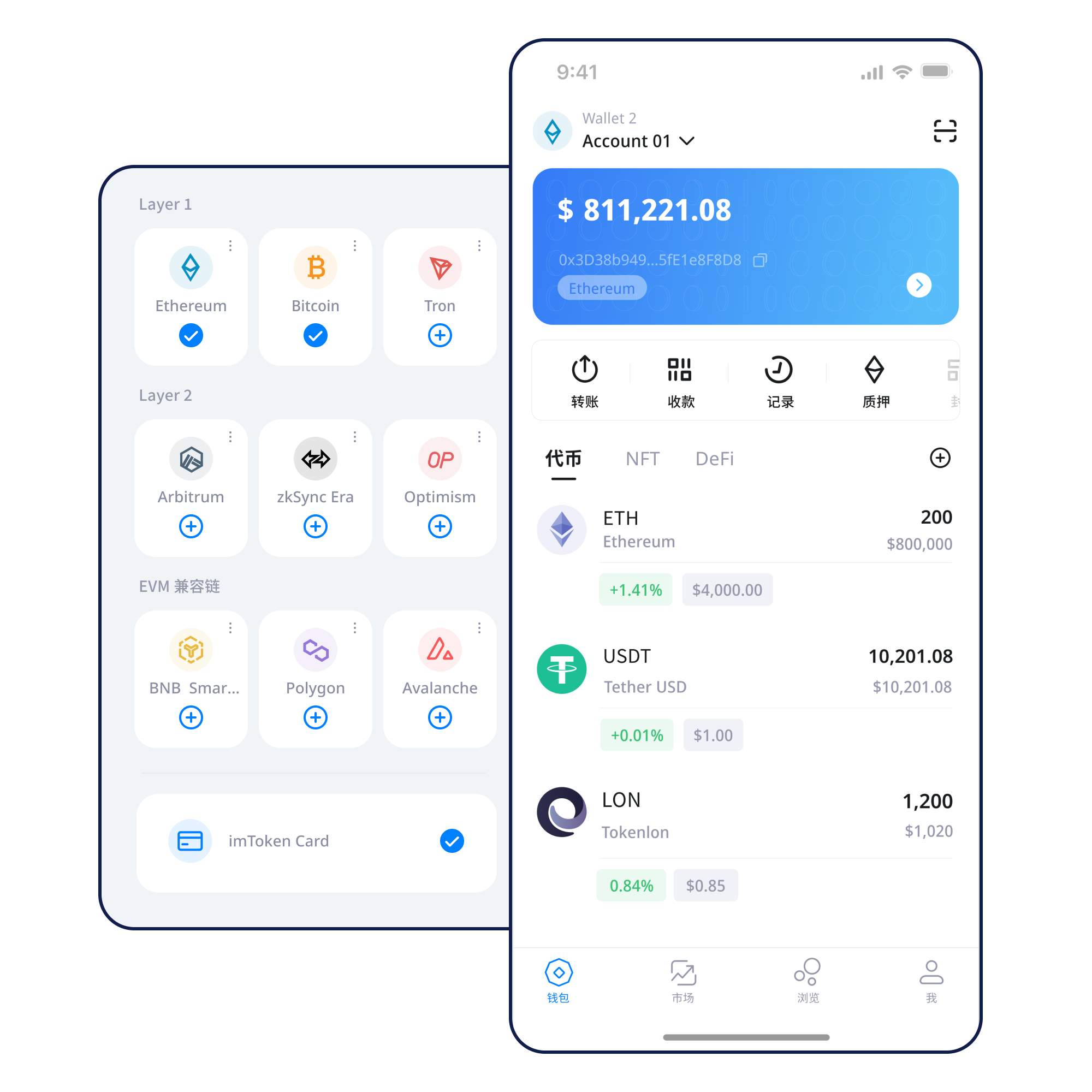
Create on a trusted device and complete an offline backup.
Open guide →Verify every seed word and keep the backup away from online storage.
Open guide →Share the address together with the intended network.
Open guide →Review address, network, amount and gas before signing.
Open guide →Verify the domain and review each signature or approval separately.
Open guide →Separate networks keep separate ledgers. Verify network, address and confirmation state.
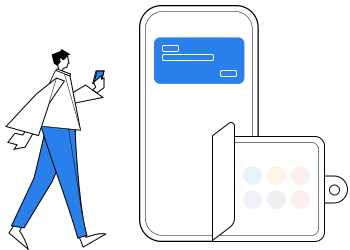
Review address, network, amount, gas and transaction hash as one workflow.
Manage networks, assets, history and DApp sessions while keeping recovery material offline.
A connection starts a session; signatures and approvals still require separate review.
Protect seed phrases offline and treat every signing request as a new decision.
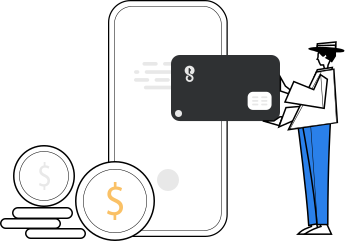
The same account can appear on multiple chains while each chain keeps independent balances and history.
Nodes validate transactions, blocks organize them and confirmations reduce uncertainty.
EVM networks share an execution model, but chain IDs, gas assets and balances remain separate.
Layer 2 has its own deposit, withdrawal and bridge paths relative to the base chain.
Fees reflect execution resources, while confirmation depth depends on the chain and use case.
Use the download entry on this site and keep the installation source verifiable.
Create or import only a wallet you control and never expose secret recovery material.
Store the seed phrase offline and never send it to support staff, websites or strangers.
Check the target chain, gas asset and receiving address before moving funds.
For larger transfers, consider a small test and re-check copied addresses.
Track transaction hashes and periodically remove approvals you no longer need.
Treat every domain check, account request, signature and approval as its own decision.
Seed phrases and private keys remain under the user’s control. Official staff will not ask for them. Review address, network, amount, domain and permission scope before transfers, signatures or approvals.
Open Security CenterStart with addresses, seed phrases and private keys, then learn networks, gas and transaction hashes before moving into DApps and approvals.
Start learning →Understand blocks and confirmation depth.
Understand gas, contracts and approvals.
Learn deposits, exits and bridges.
Review spenders and allowances.
Build backup and transfer checks.
Connect common terms to real actions.
Rewards are variable and participation can involve waiting periods, penalties, contract risk and price volatility.
Staking does not guarantee returns. Validator status, withdrawal queues and third-party service structure all matter.
Wallet guidance now groups network checks with transaction review.
Verify the active chain and gas asset before cross-network activity.
Official support never asks for a seed phrase, private key or verification code.
Staking education explains exits and penalties without guaranteed-return claims.
A seed phrase can derive multiple accounts and private keys, while a private key signs for an account. Neither should be submitted to a website, support agent or stranger.
Similar address formats can exist on separate chains, but balances are independent. The wrong network can route assets into an unintended environment.
Gas mainly pays for on-chain execution and validation resources. It is not automatically a fixed wallet service fee and changes with network conditions.
A transaction hash can be checked on the matching block explorer for status, confirmations, sender, recipient and contract events.
No. A connection usually establishes a session; later signatures, approvals and transactions still require separate review.
An approval allows a spender contract to move tokens within a limit. Broader and longer-lived permissions create more potential exposure.
Many EVM networks share similar address models, but they remain separate chains with independent balances, gas assets and histories.
Use the download page and continue with setup and security guidance before moving assets.